

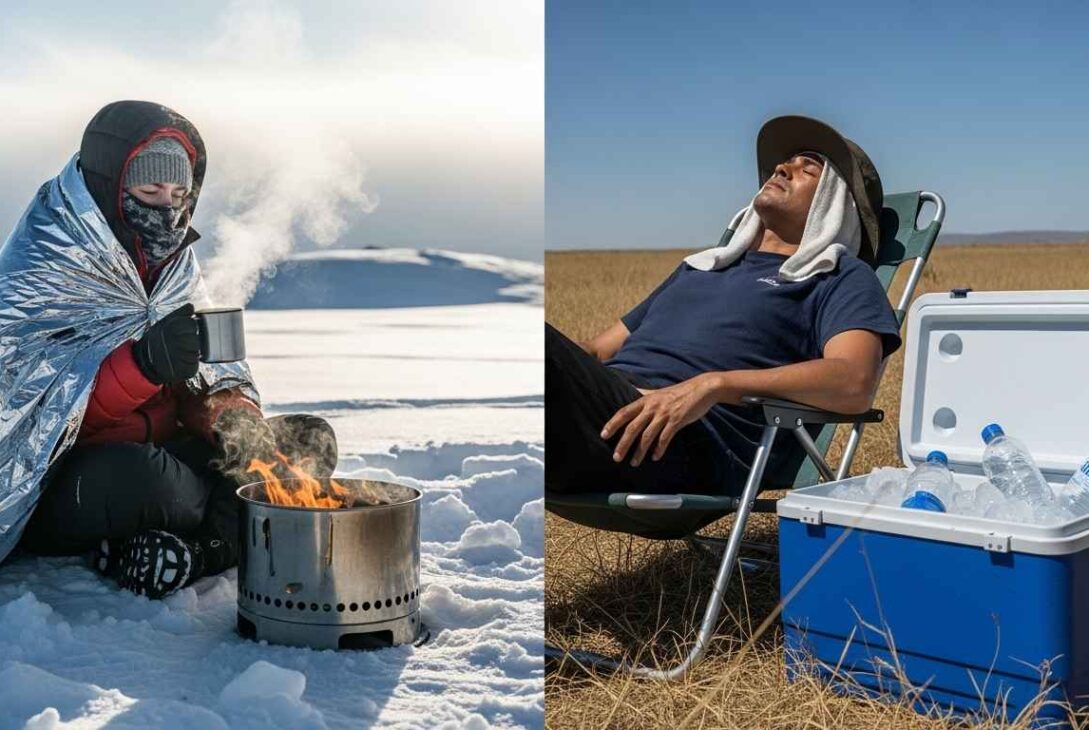
When venturing into the wild or working in extreme environments, the human body faces serious threats from temperature extremes. Hypothermia and heatstroke are two life-threatening conditions that can develop quickly if the body’s temperature regulation fails. Knowing how to recognize and treat these conditions in the field can save lives.
Recognizing Hypothermia
Hypothermia occurs when the body loses heat faster than it can produce it, causing core temperature to drop below 95°F (35°C). It can happen in cold weather, wet conditions, or even mild temperatures if someone is exposed for a prolonged period.
Signs and Symptoms:
- Shivering (may stop in severe hypothermia)
- Slurred speech or mumbling
- Slow, shallow breathing
- Weak pulse
- Clumsiness or lack of coordination
- Drowsiness or confusion
Field Treatment for Hypothermia:
- Move to Shelter: Protect the victim from wind, rain, or snow. Even a small insulated space can help prevent further heat loss.
- Remove Wet Clothing: Wet clothes accelerate heat loss; replace them with dry, insulated layers.
- Insulate the Body: Use blankets, sleeping bags, or even natural materials like leaves or moss. Focus on the torso first, then extremities.
- Provide Warm, Non-Alcoholic Fluids: Warm liquids like broth or water can help raise core temperature. Avoid caffeine or alcohol as they worsen heat loss.
- Apply External Heat Carefully: Use warm packs or body heat from another person. Avoid direct contact with hot water or heating pads, which can burn cold skin.
- Monitor Breathing and Consciousness: Severe hypothermia can lead to cardiac arrest. Keep the airway clear and be ready for CPR if needed.
Recognizing Heatstroke
Heatstroke is a life-threatening condition caused by the body overheating, usually from prolonged exposure to high temperatures or strenuous activity in hot weather. It requires immediate attention.
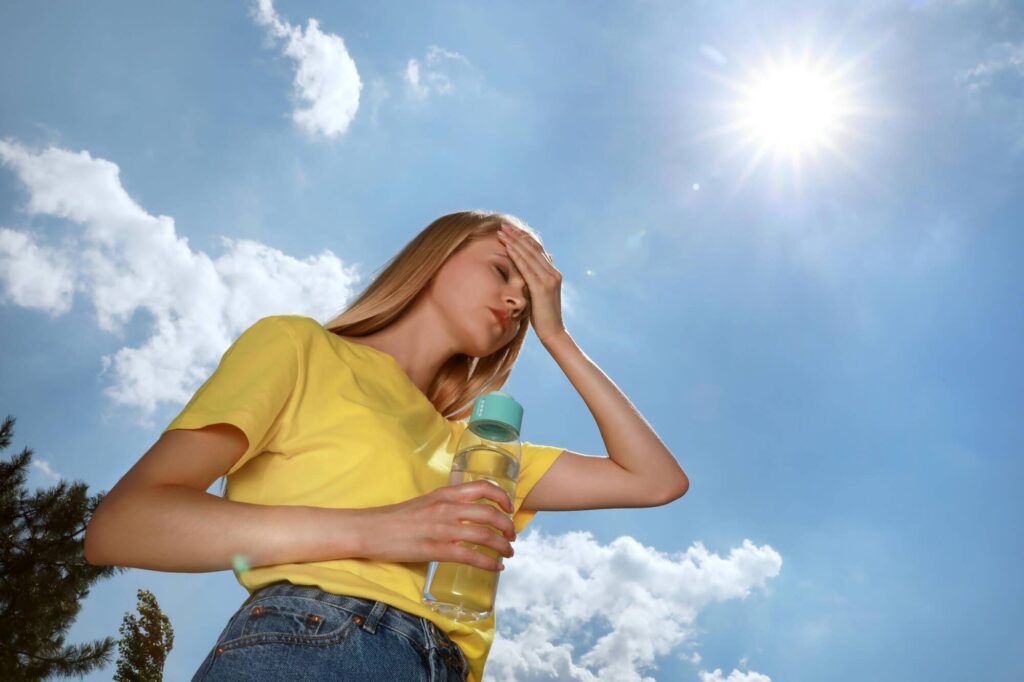
Signs and Symptoms:
- High body temperature (104°F / 40°C or higher)
- Hot, dry, or damp skin
- Rapid pulse
- Dizziness or fainting
- Confusion or altered mental state
- Nausea or vomiting
Field Treatment for Heatstroke:
- Move to a Cooler Area: Immediate relocation to shade or an air-conditioned space is critical.
- Cool the Body Quickly: Remove excess clothing and apply cold water, ice packs (neck, armpits, groin), or wet cloths.
- Hydrate: If the person is conscious and able to swallow, give small sips of water or electrolyte solutions. Avoid alcohol or caffeinated drinks.
- Monitor Vital Signs: Keep track of temperature, pulse, and consciousness. Severe heatstroke can lead to organ failure or seizures.
- Seek Medical Attention: Heatstroke can escalate quickly. Evacuate the victim to professional care as soon as possible.
Key Differences Between Hypothermia and Heatstroke
| Feature | Hypothermia | Heatstroke |
|---|---|---|
| Core Temperature | Below 95°F / 35°C | Above 104°F / 40°C |
| Skin | Cold, pale, sometimes blue | Hot, dry, flushed |
| Mental State | Confused, drowsy, sluggish | Confused, agitated, unconscious |
| Pulse & Breathing | Slow | Rapid |
| Cause | Cold exposure, wet conditions | Hot environment, overexertion, dehydration |
Preventive Measures
- For Hypothermia: Dress in layers, stay dry, keep moving, carry emergency blankets or insulated gear.
- For Heatstroke: Wear light, breathable clothing, stay hydrated, take frequent breaks in shade, avoid peak sun hours.
Final Thoughts
In the field, timely recognition and immediate action are critical for survival. Hypothermia and heatstroke are extremes of the body’s temperature spectrum, but both can be treated effectively with preparation, rapid intervention, and careful monitoring. Being ready with knowledge, basic first-aid gear, and situational awareness can make all the difference between life and death.